Three things to go
with it. And a fourth.
Free, and yours right now. No email, no account, nothing to buy — exactly as the last page of the book says.
- The keepsake sheet — the page for your names, in a size you can slip inside the cover
- Sixty questions to ask at the table — one for each moment in the book
- Where to see them for yourself — all 136 pictures, and the free links to the originals
- And a timeline poster — the sixty moments on one sheet, for the wall
You do not need the book to use any of them.
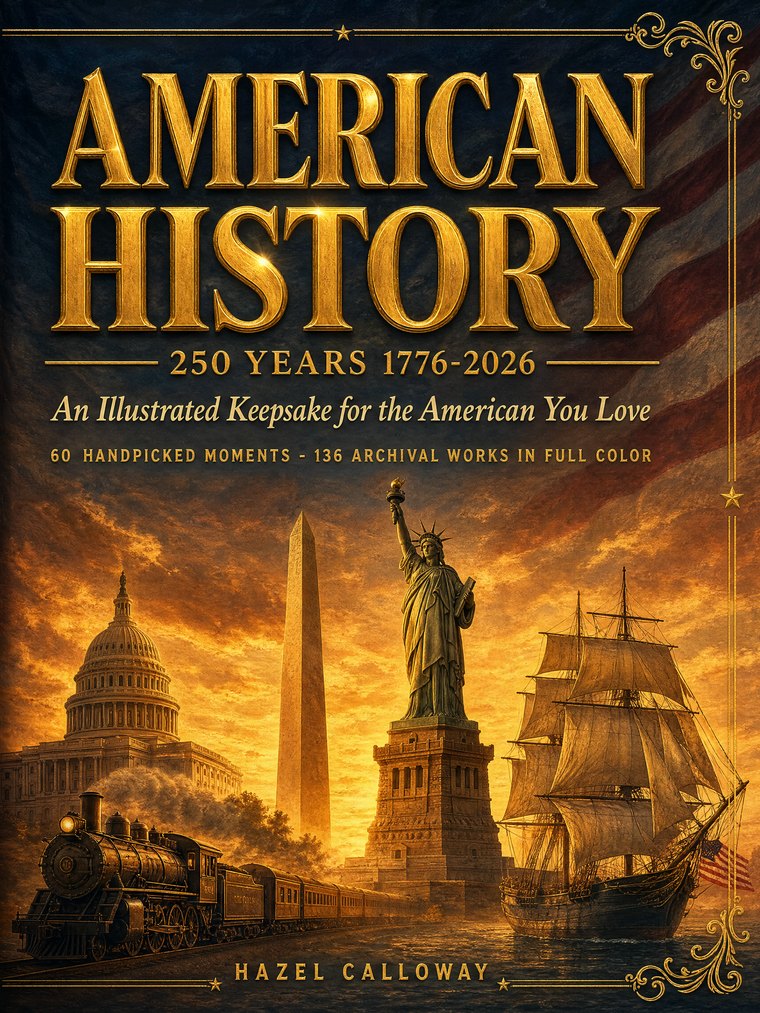
Every picture in the book is real, and the original is free.
Paintings, engravings, posters, maps, patents and photographs, all in the public domain — each one credited on the page where it appears, and each one a click away at a resolution no book can print.
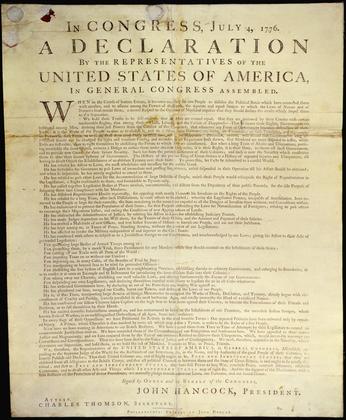
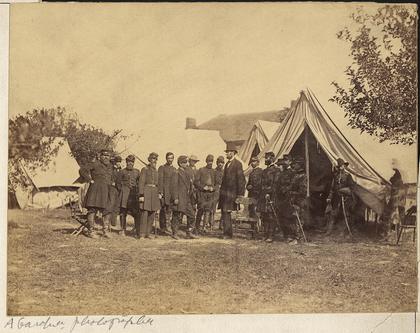
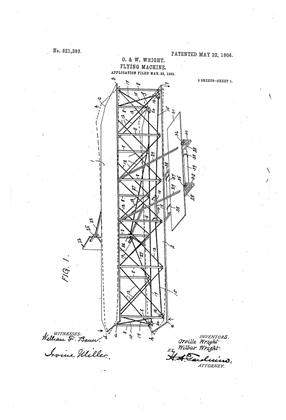
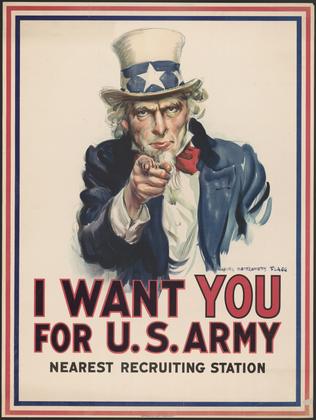
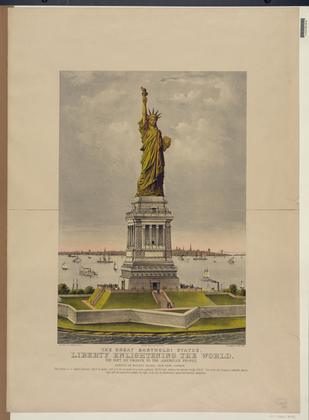
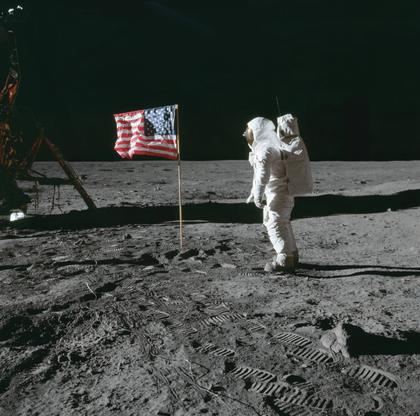
Three promised in the book. One more we made anyway.
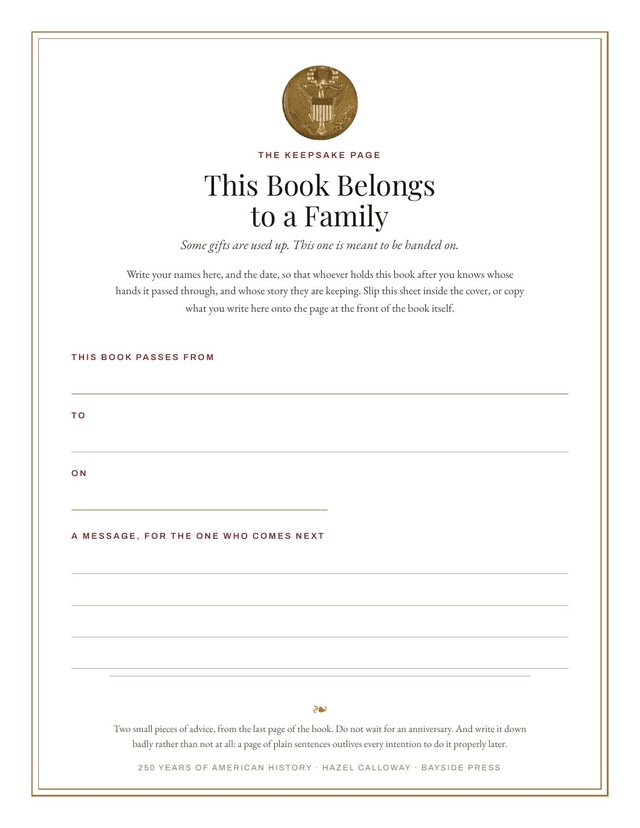
The keepsake sheet
The same page that opens the book — who this book passes from, to whom, on what date, and a message for the one who comes next — on a single sheet you can fill in at the table and slip inside the cover.
Useful when the book is a gift and you want to write more than fits in a card, or when the handwriting should be somebody else’s.
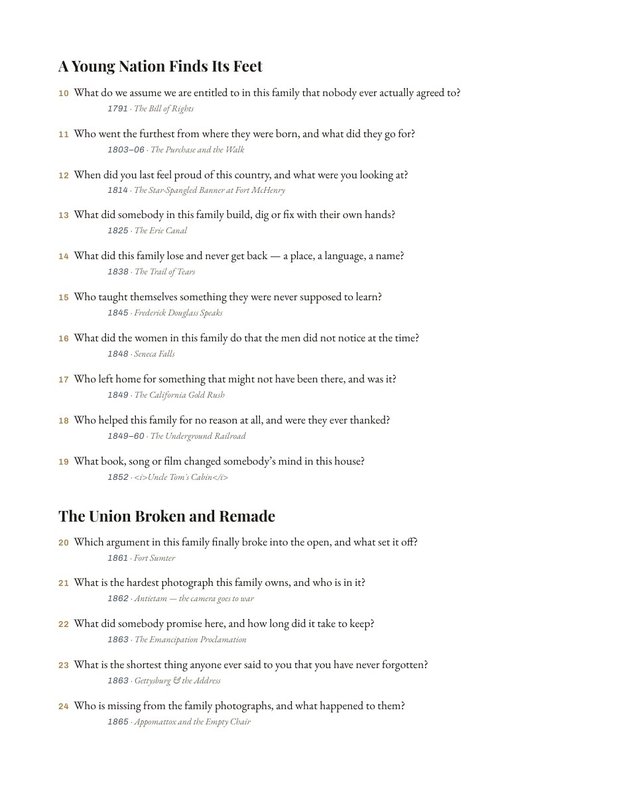
Sixty questions to ask at the table
Web page · one at a timeThey are not history questions. Nobody needs to know a date to answer one. Each is tied to a moment in the book, but what it asks about is your family — and the oldest person in the room is the only one who can answer it.
Ask one, not twenty. The first answer is usually short; the second one is the real one. Leave the silence alone and wait.
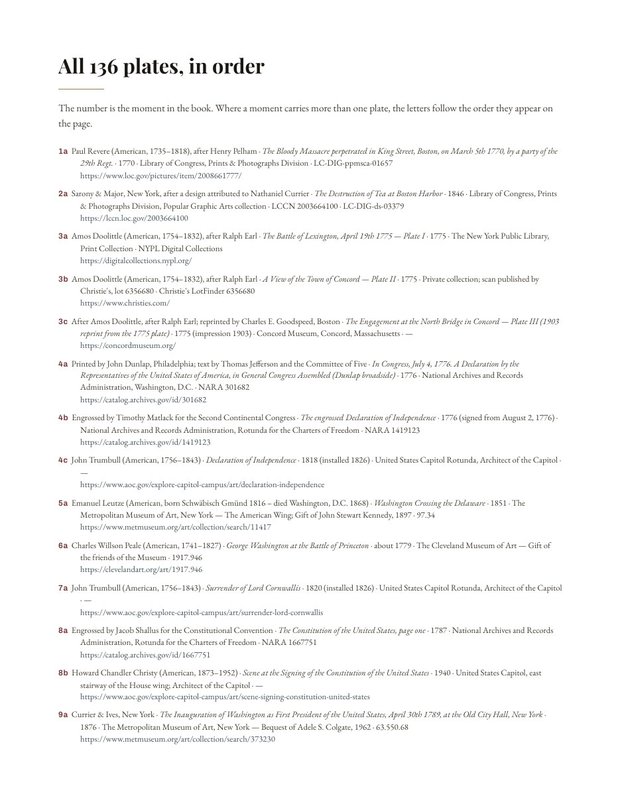
Where to see them for yourself
Web page · searchableEvery picture in the book is in the public domain, which means the original is a search box away, at a resolution no book can print. This lists the archive behind each of the 136 plates, its catalogue number, and a direct link — plus how to search each collection, so you can go looking for things that are not in the book at all.
Library of Congress, the National Archives, NASA, the Met, the Smithsonian and a dozen museums. None of it costs anything, and none of it asks for an account.
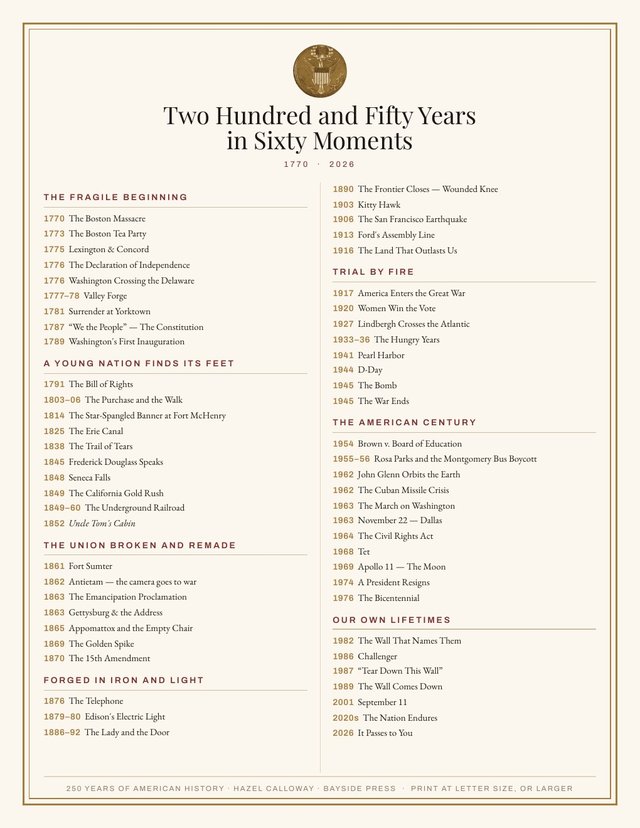
The timeline poster
All sixty moments on one sheet, in order, under the first die of the Great Seal — the whole shape of the book at a glance. Print it at home, or take the file to a copy shop and have it run large.
It is the one of these you can put on a wall, which is why we made it.
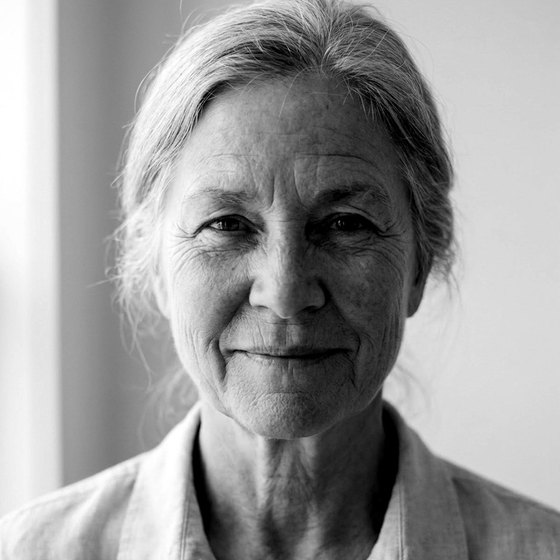
Hazel Calloway
Hazel Calloway has always believed a country is really a family story, told one generation at a time. She grew up loving the tales of how ordinary Americans built, struggled, and started over, and she has spent years collecting the ones worth passing on.
Not a scholar but a keeper of memory, she writes to help families hold on to the American story and hand it down to their children and grandchildren, so it is never forgotten.
The sixty questions came out of the book the same way the moments did: by asking what an ordinary family would actually want to know, and then cutting everything that only a historian would ask.
Keeping What They Tell You
The questions sheet tells you what to ask. This one is about the half nobody does: the recording, the file name, the copy — which is what decides whether any of it still exists in fifty years.
How to record an older relative without making it a ceremony. Why the ten seconds at the start matter more than the microphone. How to name a file so a stranger in 2041 can read it. Three copies, two places. And how to get an hour of talking into words for nothing.
Leave your address and it arrives in the next few minutes. The link is in the email — and it also appears right here on this page the moment you send the form.
The three sheets above are already yours — this box has nothing to do with them. What you get here: the guide, then very occasionally a letter when Hazel finishes something new. One‑click unsubscribe on every one. Your address is never sold or shared. How email works here.
250 Years of American History
Sixty moments, from a fragile rebellion in 1770 to the milestones your own grandparents lived through, each told in a few clear pages and set beside the real pictures of its time. Seven sections, 196 large pages, full color throughout.
The three sheets on this page are a free gift to readers, and to anyone who finds their way here. You don’t need the book to use them.
Numbers you can check by opening the book.
chosen not counted
and documents
full color
1770 to today
Every plate is credited on the page where it appears — maker, year, medium, and the collection that holds it. The third sheet on this page lists all 136 of them with the links, so none of that has to be taken on trust.
Paintings, engravings, lithographs, posters, maps, patents, letters and photographs, reproduced in the colors they were made in and never enlarged past what the original will bear.